Commercial
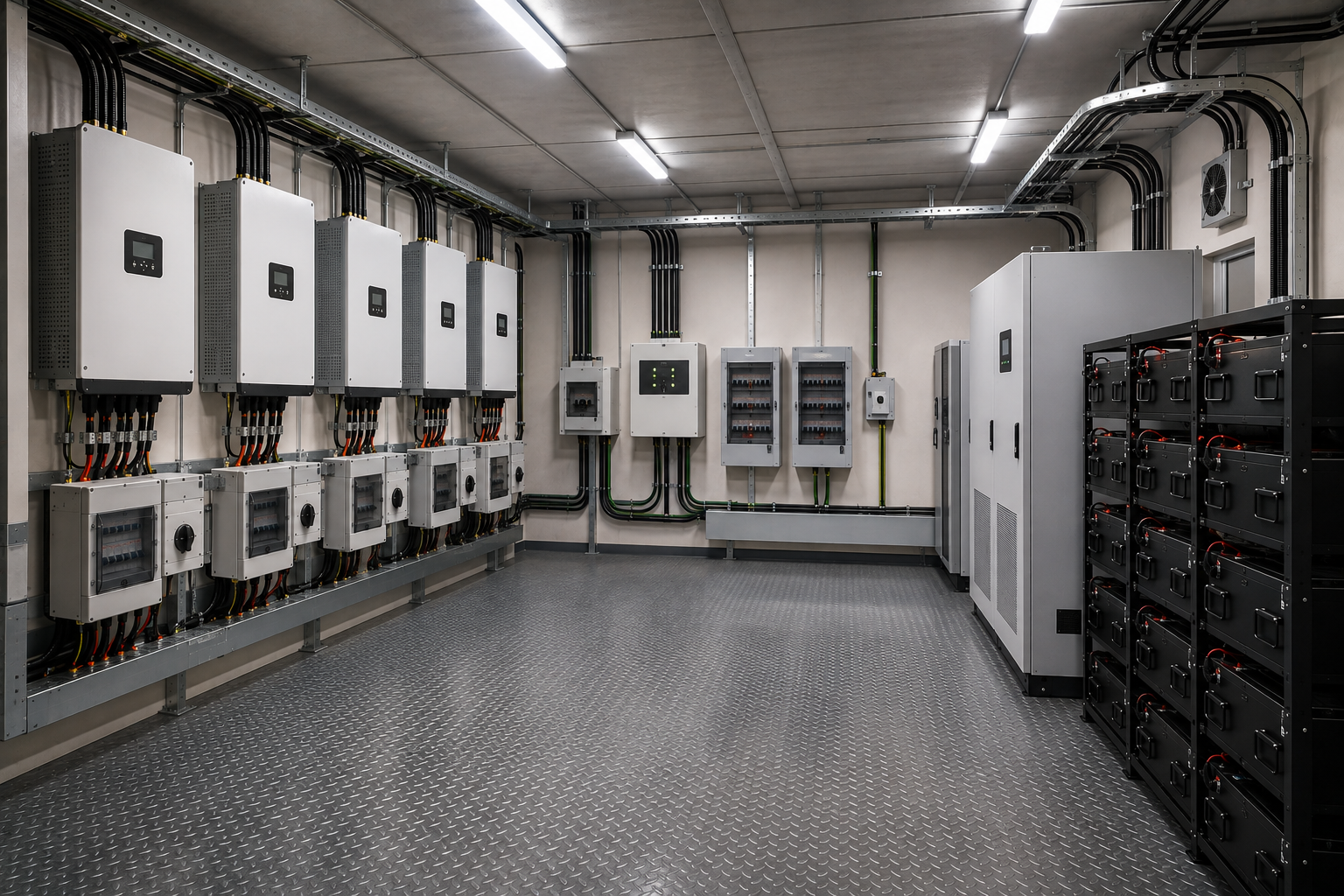
Multi-inverter plant room
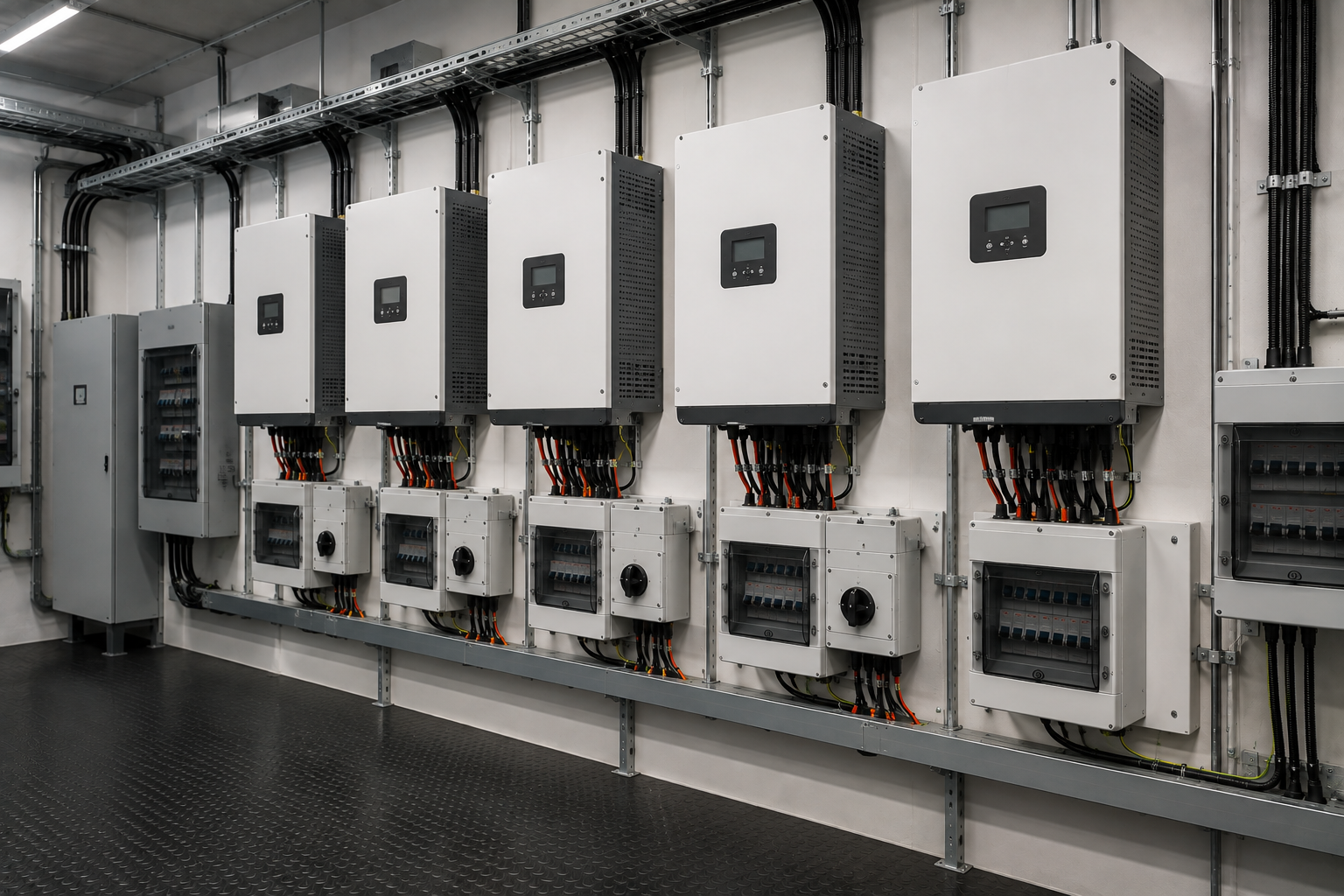
Parallel inverter bank with hybrid storage, dedicated DC and AC boards, and dressed cable routing in a purpose-cleared plant space.
Power systems · Solar and storage · Electrical installation
Prenniex designs, supplies, installs and maintains solar and inverter systems for homes, businesses and institutions across Nigeria — sized to a load we have actually measured, and installed by our own crews.
Capacity delivered includes four UN-sponsored solar farm projects on which our engineers worked as contributing engineers. How to read these figures.
What we do
Most installers stop at the inverter. We do the distribution, the protection and the switching as well, because that is where a system either lasts or starts giving trouble in the second year.
PV array, hybrid inverter and automatic switching between solar, battery, grid and generator. From a single home up to a multi-floor building.
Lithium and tubular banks, new installations and retrofits onto inverters that are still sound. Sized against your evening load, not the brochure.
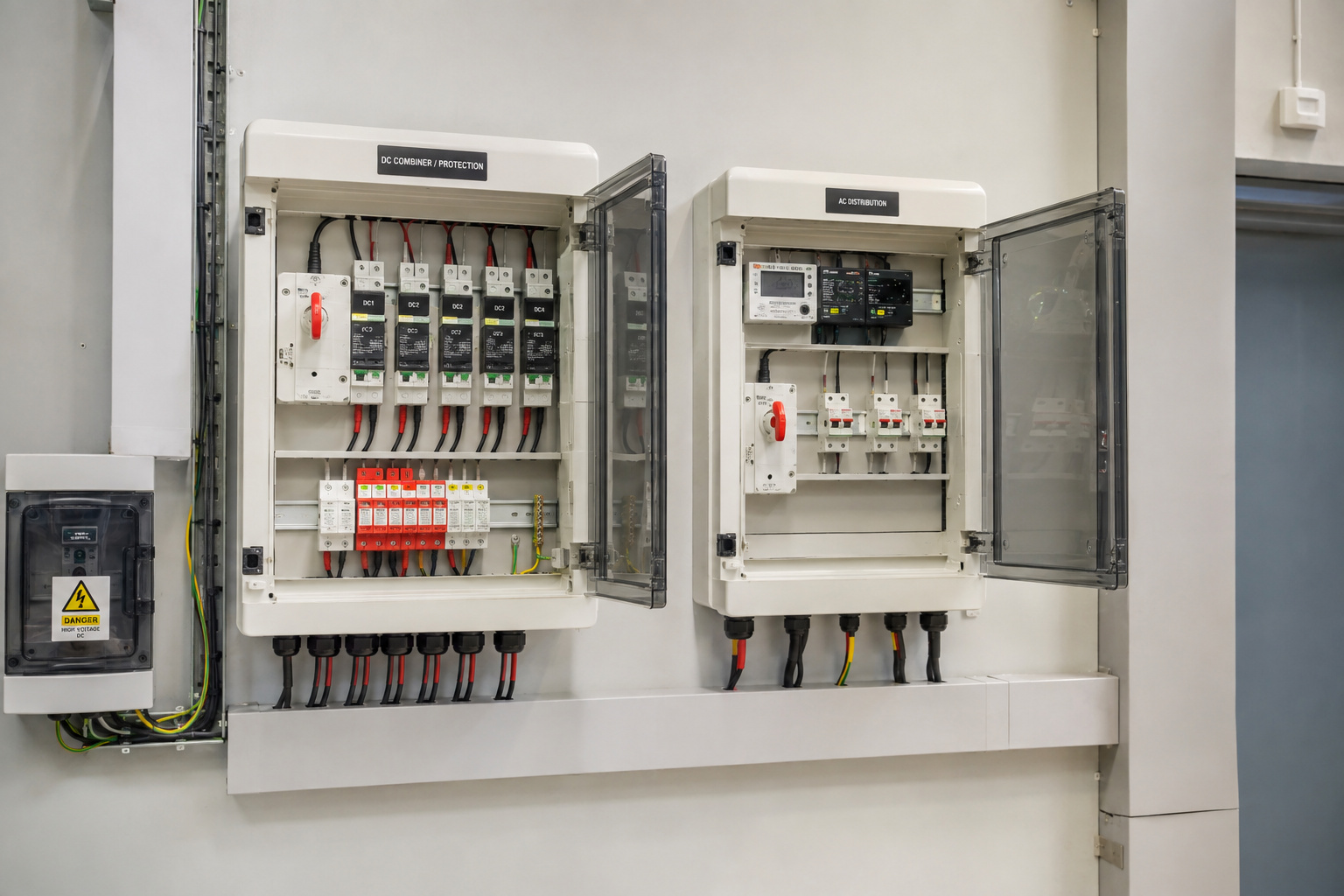
Distribution boards, DC and AC protection, surge devices, changeover, load separation, cabling and earthing — done by us, not subcontracted.
CCTV, access control, intercom and automated gates, on supply that is backed up and protected so the system does not go down with the light.
We measure what your building actually draws, hour by hour, before anyone quotes a system size. It is the step most often skipped.
Servicing, array cleaning, battery health checks, settings review and fault attendance — for our installations and for systems we inherit.
All-in-one and pole-mounted street lights for estate roads, compounds, car parks and perimeters. No cabling back to a board, nothing added to your load.
Borehole and surface pumps running off their own array, filling the tank by day. Most installations need no battery at all.
Who we work with
A three-bedroom flat and a nine-storey office building are the same problem at different sizes: find out what the load really is, size for it honestly, and install it so it can be maintained.
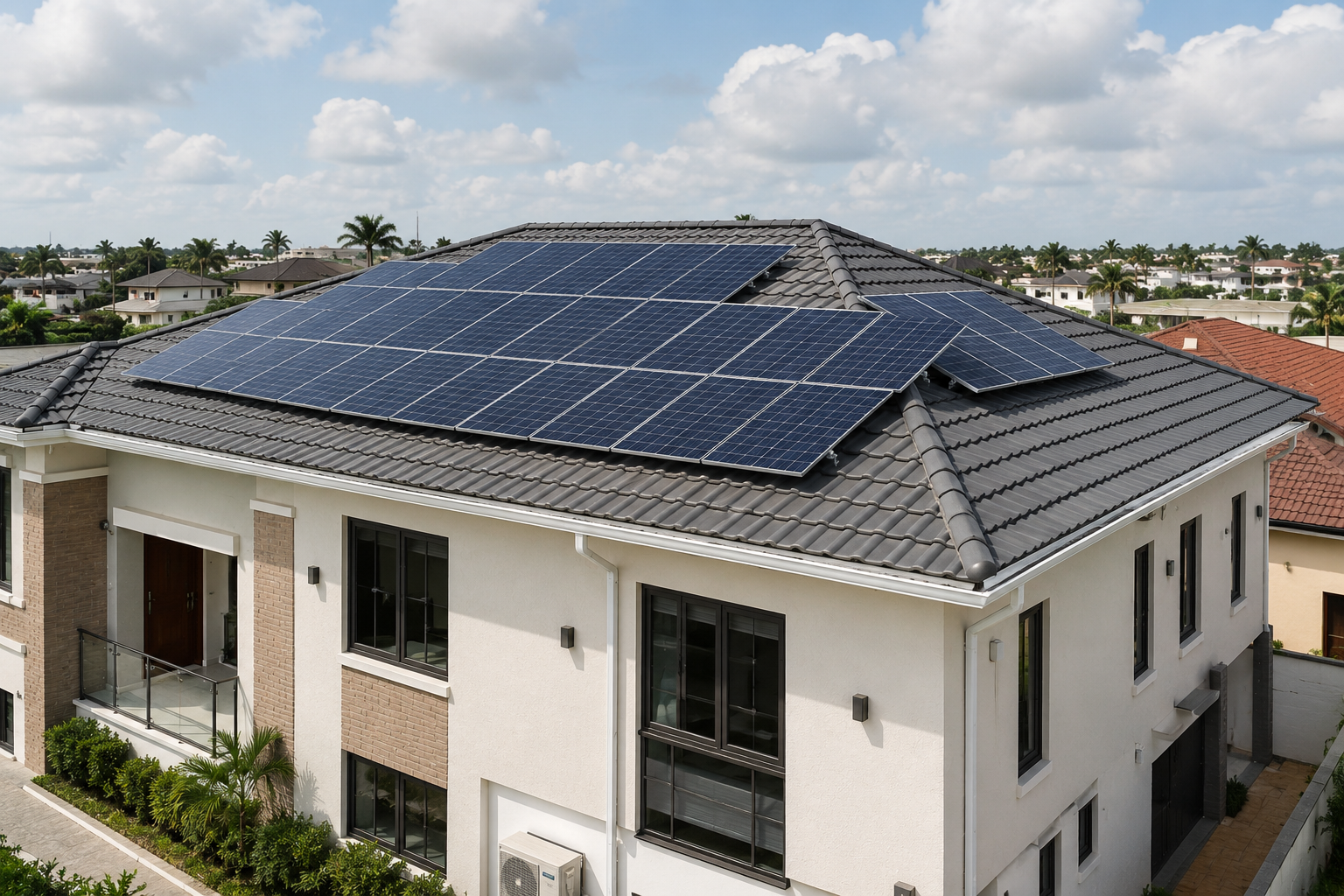
Whole-house and essential-load systems, and estate-wide standards.
Shops, branches, offices and multi-tenant buildings.
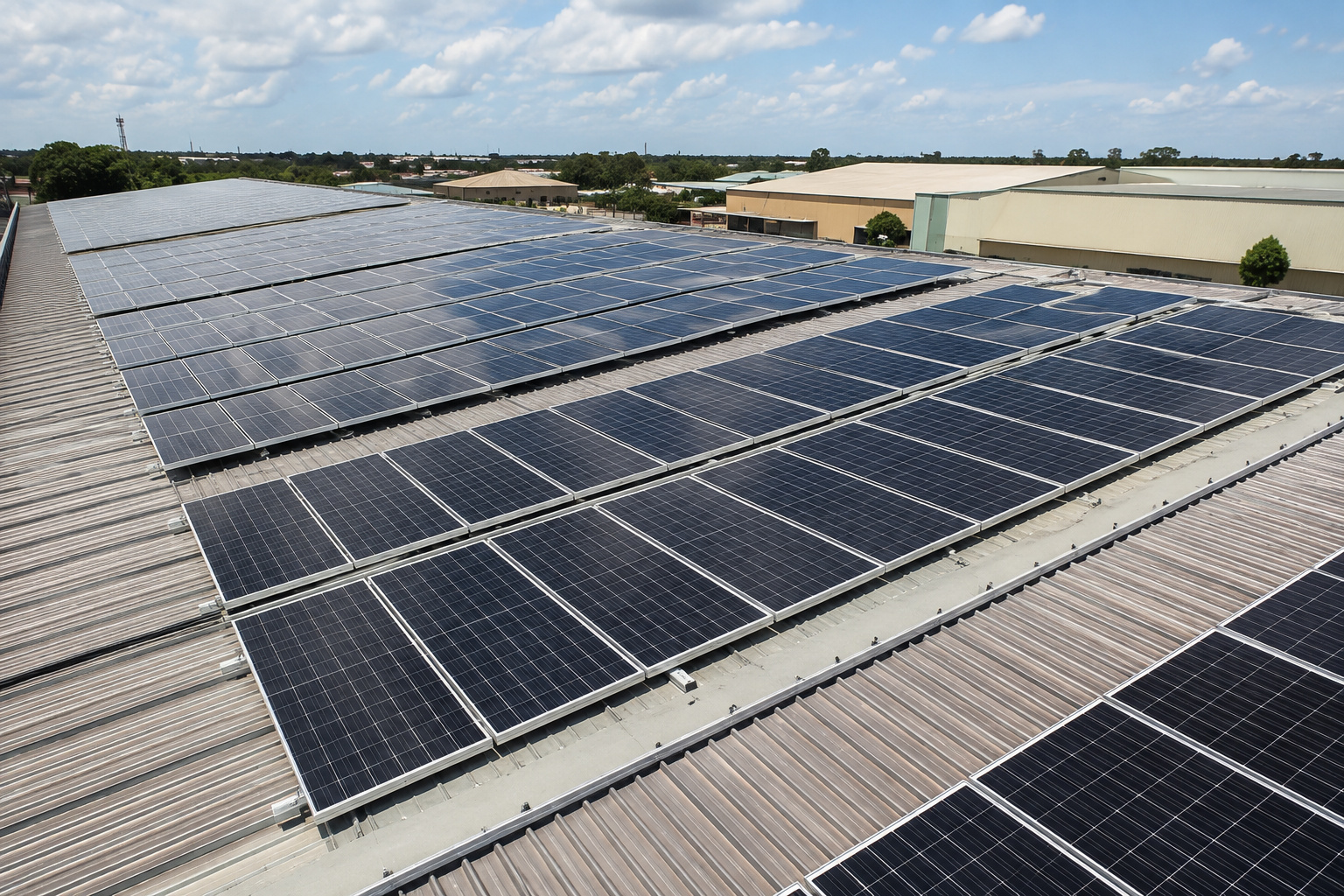
Factories, workshops and warehouses with heavy motive load.
Schools, clinics, places of worship and public buildings.
Multi-storey installations, floor by floor, in occupied premises.
System sizes
These are the configurations we install most often. Every one is confirmed against your own load before it is quoted — the sizes below are a starting point for the conversation, not a menu.
How we work
You tell us the building and what troubles you. We come and look. No charge, no obligation.
We list what has to run, for how long, and measure or log where it matters. This decides everything downstream.
A configuration sized to that load, and a quotation with every item, quantity and rate shown separately.
Our own crews. Mounting, cabling, boards, protection and commissioning, with the premises kept usable throughout.
Walk-through, settings explained, warranties passed to you, and someone to call when you need us.
Why Prenniex
Equipment
We work with equipment that can be serviced and replaced in Nigeria, and we will tell you plainly when a cheaper component is a false economy and when it is not. Where you have a preference, we will quote it.
Supply
If you already have an installer, or your own electrician, we will supply the equipment on its own — inverters, batteries, panels, mounting, protection and cabling — with the sizing advice included at no charge.
We would rather you buy the right thing from us than the wrong thing from anyone.
Utility scale
Alongside our own installations, our engineers have served as contributing engineers on four solar farm projects sponsored under United Nations programmes. That is where the bulk of the capacity figures on this site comes from, and it is a different order of work from a building installation — larger arrays, formal design review, and delivery standards set by an international programme.
We state it separately because it should be read separately. The buildings, homes and premises described on this site are jobs we deliver end to end. The farm work is engineering contribution at utility scale, and we are glad to set out our specific role on any of them on request.
Selected work
Client names are withheld as a matter of course. References and site visits can be arranged, with the client's consent.
Parallel inverter bank with hybrid storage, dedicated DC and AC boards, and dressed cable routing in a purpose-cleared plant space.
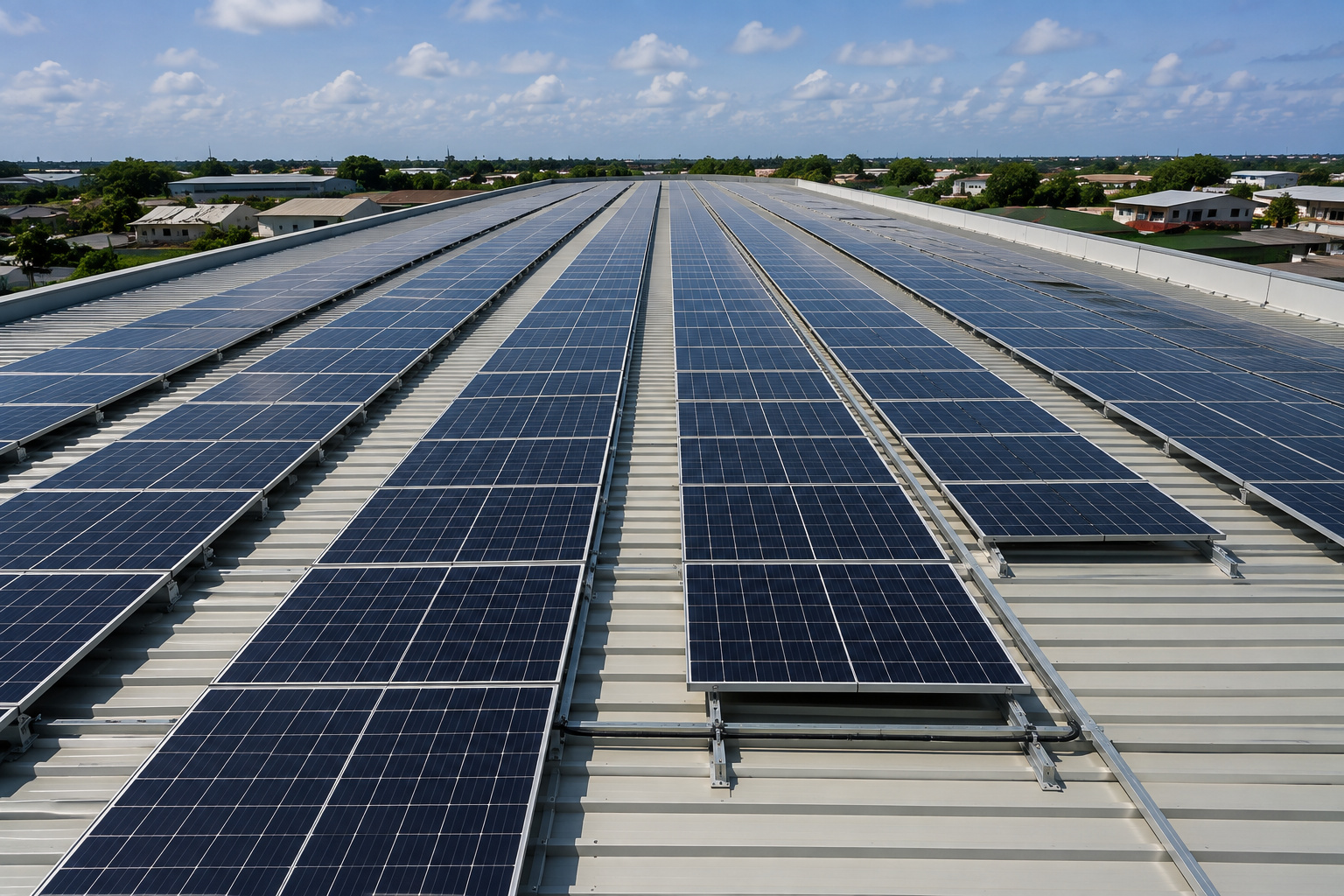
Rail-mounted array across a profile-sheet roof, strung and routed to a ground-level inverter room without disturbing the sheet line.

Tubular bank replaced with lithium storage on an existing hybrid inverter, with load separation and new surge protection.
Common questions
It depends entirely on what has to run and for how long, and equipment prices move with the exchange rate. Anyone who quotes you a figure before asking what you want powered is guessing. Tell us the appliances and the hours, and we will give you a written price with every item shown.
No, and usually you should not. Separating essential circuits — lights, fans, fridge, sockets, pumps — from heavy loads like air conditioning and water heaters gives you far more hours of backup for the same money. We do that separation as part of the installation.
Lithium costs more at the start, lasts several times longer, gives you more usable energy per naira over its life and needs no maintenance. Tubular is cheaper today and still sensible on a tight budget or a small system. We will show you both on the quotation.
Panels still generate in diffuse light, at reduced output. A properly sized hybrid system covers this by charging from the grid or a generator when there is not enough sun, so the batteries stay ready. Rain also washes the array, which helps.
A site visit and a written quotation cost you nothing. You will get a real load assessment, a system sized to it, and a price with every item listed — not a lump sum.